 НА ПОЧАТОК

 DONOR.UA
11 years of saving lives together!
DonorUA celebrates its 11th birthday. This is the path from a small initiative to the largest donor community in Ukraine. During this time, we have understood: behind every big victory there is a specific person and their action.
We want to share the results of our joint work, because the best way to see the scale of changes is to look at them in numbers.
215 000+
In 2015, DonorUA began with a simple idea: to create a digital system that could quickly connect blood donors with patients in need.
What started as a small initiative has grown into the largest digital blood donation ecosystem in Ukraine, bringing together donors, hospitals, patients, businesses, government institutions and international organisations around one shared mission — saving lives.
Today, more than 215,000 people have registered as voluntary non-remunerated blood donors on the platform.
Together, they have made above 150,000 blood donations.
When someone urgently needs blood, every donation can make the difference.
That is why 8,000 patients turned to DonorUA seeking help in finding donors — and received that help.
A single blood donation can save up to three lives.
This means that through the DonorUA community, 500,000 people have been given a chance to live.
And behind every number are people:
those who chose to donate blood,
and those whose lives were saved because someone did.
11–13 / 1000
In 2018, DonorUA became one of the first organizations in Ukraine to start working with open data in the blood system.
The analysis revealed an important and concerning figure: at that time, Ukraine had only 11–13 blood donations per 1,000 people. This was not enough to ensure a stable supply of blood for hospitals.
It became clear that before changing the system, it was necessary to truly understand it.
That is why DonorUA began working with data. Participation in the Open Data Challenge made it possible to analyze and visualize information about blood donation in Ukraine, reveal the real picture of the blood system, and introduce a data-driven approach to its development.
This step marked the beginning of deeper research into how the culture of blood donation works in Ukraine.
Together with DigData, starting in 2019, DonorUA conducted three large national studies exploring people’s motivations and behavior related to blood donation.
For the first time, these studies helped answer key questions:
— why people decide to become donors
— what prevents them from donating
— how to build a culture of regular blood donation
These insights became the foundation for new awareness campaigns, donor recruitment programs, and systemic changes in the development of blood donation in Ukraine.
696
Donor teams
A culture of voluntary non-remunerated blood donation grows where people come together.
That is why DonorUA began working not only with individual donors, but also with communities — teams of people who choose to donate blood regularly and support the blood system together.
This is how the DonorUA for Teams tool was created — an innovative approach to donor recruitment that helps companies, organizations, activists, and even residential communities build their own donor groups.
In 2023, with the support of the East Europe Foundation, a digital tool was launched on the platform to enable the creation and development of these communities.
The results have been truly remarkable.
Today, 696 donor communities have become part of this ecosystem. Together, they have made more than 12,000 donations, helping around 40,000 patients.
These communities include teams from businesses, government institutions, universities, civil society organizations, and active citizens across the country who are turning blood donation into part of their community culture.
When people unite around blood donation, it stops being a one-time act.
It becomes the power of a community that saves lives.
DonorUA digital platform
When the full-scale invasion began in February 2022, Ukraine’s healthcare system faced unprecedented pressure.
The need for donor blood increased dramatically.
Thousands of people were looking for a way to donate blood and help hospitals. Millions were searching for reliable information.
During those days, DonorUA became a single point of coordination for donors, blood centers, hospitals, and partners.
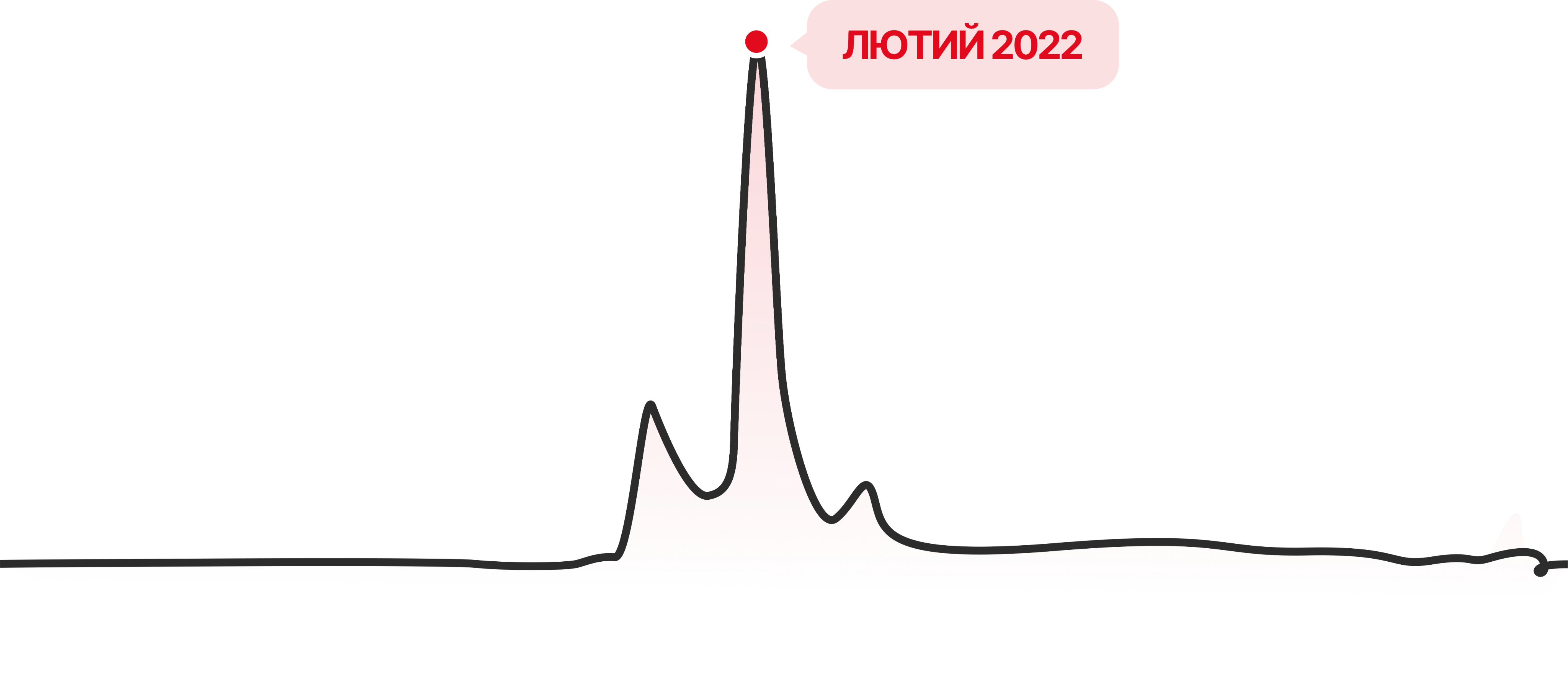
In the first week of the full-scale war, around 40,000 new donors registered on the DonorUA platform — the same number of registrations the platform had received over the previous seven years.
The digital system faced a x100 load compared to the normal operating level and continued working without interruption.
The February–March 2022 graph clearly shows the sharp increase in interest in donation and civic engagement.
This experience proved one important thing:
a modern technological platform can become a pillar of the blood system in the most critical moments of a nation’s history.
140
blood deliveries to the frontline
After the start of the full-scale war, Ukraine’s blood system faced unprecedented challenges. Hospitals near the frontline urgently needed a stable supply of donated blood, yet delivering it under wartime conditions was extremely difficult.
At that moment, DonorUA, together with the Ukrainian Transplant Coordination Center of the Ministry of Health of Ukraine and partners from civil society and the business sector, began building a system for delivering blood to frontline regions.
At first, these were the very first routes organized by volunteers. Over time, the initiative evolved into an organized logistics model that made it possible to quickly deliver blood where it was needed most — to hospitals saving the lives of both soldiers and civilians.
A key role in this effort was played by PUMB, which launched the social project “We Are of the Same Blood.” Through this initiative, the organization and financing of blood deliveries to frontline regions became possible.
Other partners from the business and civil society sectors also joined the effort, including JYSK, ReBuild Ukraine, the NGO “100% Life,” and Trading House “PIRANA,” among others, helping support the logistics and ensure the continuity of blood deliveries.
Together, these efforts made 140 blood deliveries to the frontline possible.
This experience later became the foundation for the development of the state system for blood transportation.
Today, this model has become part of Ukraine’s national system of medical resilience.
WALKING
BLOOD BANK
NEW MODELS OF ACCESS TO BLOOD
international partnerships
During wartime, Ukraine needed new solutions to ensure access to donor blood in emergency situations.
That is why DonorUA, together with international partners and with the support of the Ministry of Health of Ukraine, began developing new models of access to blood that can function even in times of crisis.
One of these solutions became the Walking Blood Bank project — a rapid response system designed to create a reserve of donors for emergency situations.
Thanks to EldonCard tests, hundreds of thousands of Ukrainians have been able to quickly determine their blood type and join the rapid response donor system.
This project became possible thanks to international partnerships — Eldon Biologicals, Yashchenko Foundation, Direct Relief, the Embassy of Denmark, as well as other governmental institutions of Denmark that supported the development of innovative solutions for Ukraine’s blood system.
FLAGSHIP BLOOD CENTER
Another important step began in 2025 with the launch of an international project aimed at creating a new standard for blood centers in Ukraine.
This initiative is being implemented in cooperation with the Government of the Netherlands, which supports the modernization of Ukraine’s blood system and its alignment with European standards.
Together with international partners — WHO, the Embassy of the Netherlands in Ukraine, and the Ministry of Foreign Affairs of the Netherlands, and with the support of the Ministry of Health of Ukraine, DonorUA is working on the creation of a flagship blood center that will meet modern EU standards.
This center is intended to become a model for the modernization of the entire blood system in Ukraine — a place where advanced technologies, safety, and a new culture of blood donation come together.
It is an example of how international cooperation helps Ukraine build a strong, resilient, and modern blood system.
BLOOD TRUCKS
Blood donation should be closer to people.
That is why DonorUA, together with partners, develops mobile donation formats that allow blood drives to take place where people live and work.
In 2024, DonorUA joined the implementation of the project “Your Blood. My Life. Our Victory.” — a mobile donation format that enables blood drives to be organized in different locations across the city and allows the blood system to respond quickly to emerging needs.
An important role in the development of mobile blood donation is played by the project “Warm-Blooded”, created by PUMB and Mastercard. The mobile blood center travels across different cities of Ukraine, building a culture of blood donation and bringing together businesses, civil society organizations, and people around this idea.
In this way, mobile blood donation centers expand access to donation and make the blood system more flexible and resilient.
Because blood donation is about people coming together to save lives.
“OSCAR”
international recognition
In 2023, DonorUA received one of the highest international distinctions in the field of blood donation — the AABB Award.
AABB is a leading global association in transfusion medicine that sets international standards for blood safety and brings together experts and blood centers from around the world.
This award is often referred to as the “Oscar of blood donation”, recognizing the most innovative and impactful initiatives in the development of blood systems.
The award honored DonorUA’s contribution to ensuring access to donor blood in Ukraine during the war and for developing innovative approaches to donor recruitment.
In the same year, DonorUA also received international recognition from ADRP (Association for Donor Recruitment Professionals) — a global professional community of specialists working in donor recruitment.
ADRP recognizes organizations that create new approaches to building a culture of blood donation and developing strong donor communities.
These awards confirm that Ukraine’s experience in developing blood donation is recognized on the global stage.
Even in the most difficult times, Ukraine continues to create innovations that transform the blood system and help save lives.
Corporate
Donor Day
200+ partner organizations
In 2014, DonorUA launched the Corporate Donor Day format — an opportunity for companies to donate blood together with their teams.
Since then, more than 200 companies have joined this initiative.
Together with their employees, they regularly donate blood, help hospitals maintain necessary blood supplies, and contribute to building a culture of voluntary, non-remunerated blood donation in Ukraine.
Today, corporate donor days have become an important part of the blood donation ecosystem, bringing together businesses, civil society organizations, hospitals, and active citizens.
Because real change happens when people and organizations come together to save lives.
Law on the Safety and
Quality of Donated Blood
The development of a culture of blood donation requires not only an active donor community but also a modern legislative framework.
That is why DonorUA contributed to the development of modern legislation in the field of blood donation and blood components.
Together with government institutions, experts, and international partners, the organization participated in the development of the Law of Ukraine “On the Safety and Quality of Donated Blood and Blood Components.”
This law became an important step toward the modernization of the blood system in Ukraine.
It establishes modern standards for blood safety, quality, and traceability, while also promoting the development of voluntary non-remunerated blood donation.
Its adoption marked an important step in the harmonization of Ukraine’s blood system with European Union standards.
It is another example of how cooperation between civil society, government, and international partners helps build a modern and sustainable blood donation system in Ukraine.
9 984
taxi rides for donors
During the COVID-19 pandemic, access to blood donation became more difficult. Public transportation operated with restrictions, and many people could not safely reach blood centers.
At that moment, DonorUA’s business partners stepped in to help solve this challenge.
Together with taxi services Uber, Uklon, and other companies, a program of free rides for donors to and from blood centers was organized.
Through this initiative, donors made 9,984 rides, helping ensure that blood donation continued even during strict lockdowns.
This experience demonstrated how partnerships between businesses and civil society can quickly create solutions in times of crisis — and help save lives.